Nagarjuna: India’s Contribution in Chemical Science & Principle of Non-Violence
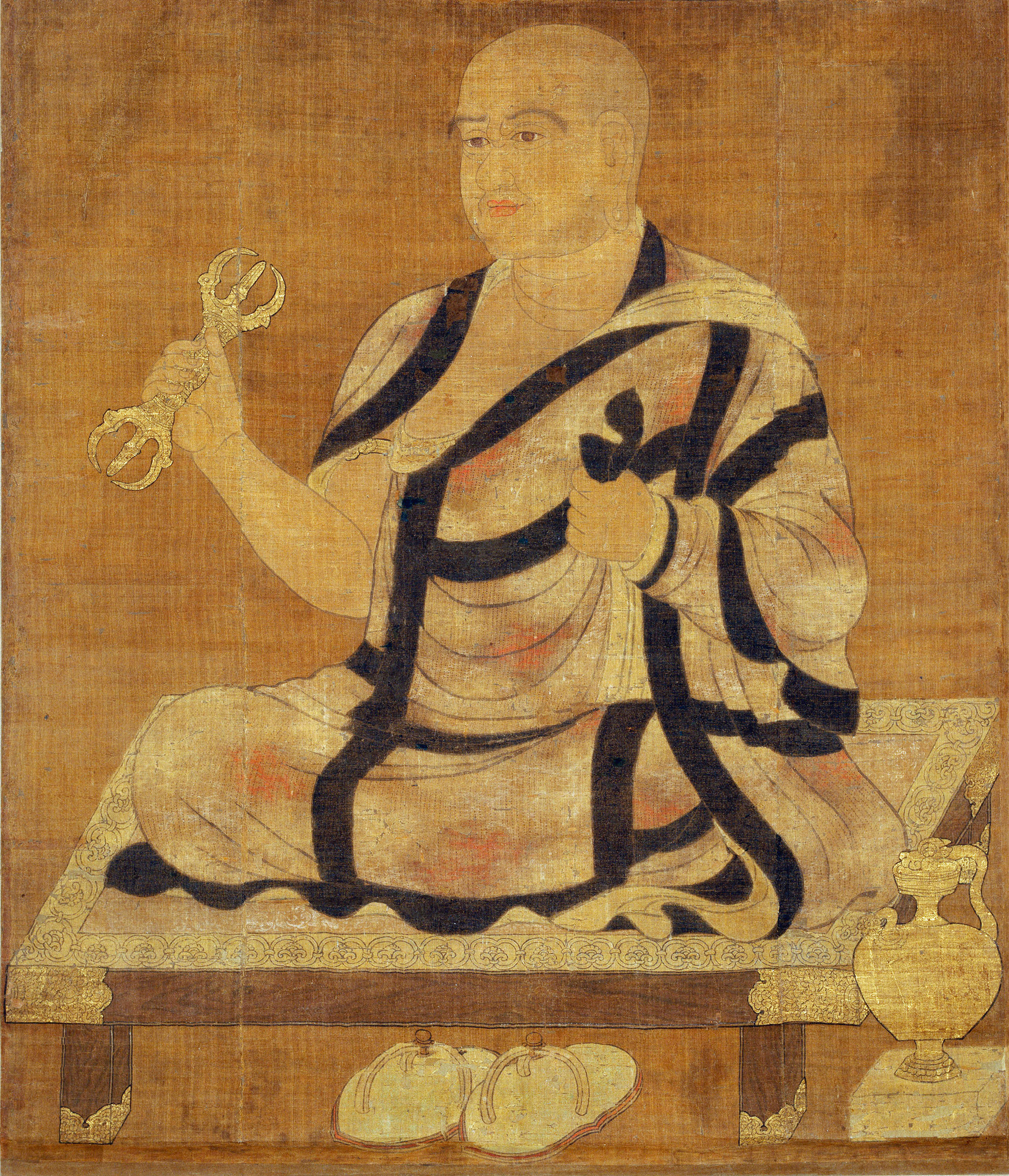
Nagarjuna (c. 150—c. 250) : Indian Buddhist philosopher: Principle of Non-Violence.
He was an Indian Buddhist philosopher known as the Second Buddha.
He modified Brahmanical Buddhist approaches to practice and fundamental philosophy.
His name translates as 'Great Serpent'.
Nagarjuna obtained the Prajnaparamita Sutras from serpents – snakes originating from Hindu myth – who had been protecting literature containing Buddha's teachings hidden from mankind for centuries
Nagarjuna is best recognized for "The fundamental verses of the middle way"
The middle way buddha teaches:
- between hedonism and asceticism
- between externalism and annihilationism
Nagarjuna systematized and deepened the teachings of the Heart Sutra.
Nagarjuna gave a concept of Emptiness(Sunyata): Everything is connected, so nothing needs to be defined. Because nothing is defined it is "empty".
The Buddha explained that his dharmas should be used as a raft to cross the river of life, however, after crossing the river, one should not carry the raft on one's back.
The eightfold path:
1.Understanding
2. Attitude
3. Speech
4. Action
5. Livelihood
6. Effort
7. Mindfulness
8. Concentration
Monism Buddhism from India is a peaceful secular, non-dual and life-affirming philosophy and way of life derived from Nagarjuna's philosophy of the Madhyamika, or Middle Way promoting peace and non-violence
Nagarjuna (100 CE) –Ancient India’s Contribution in Chemical Science
His Text works like "Ras Ratnakar," "Rasrudaya" and "Rasendramangal" are his famous contributions to the science of chemistry. Nagarjuna discovered the alchemy of turning base metals into gold. As the author of medical books like "Arogyamanjari" and "Yogasar", he also made significant contributions in the field of curative medicine.
Inspired by this article?
Take your knowledge further with interactive Gurukul lessons and quizzes.
Related Knowledge Articles
Rigveda: The Cosmic Hymns, Astronomical Insights, and Dawn of Human Consciousness
The Rigveda stands as humanity’s oldest surviving literary treasure. Composed in archaic Vedic Sanskrit over 5,000 years ago by inspired Rishis (seers), its 10 Mandalas (books) contain 1,028 Suktas (hymns) and 10,552 Mantras.
Culture & HeritageSamaveda: The Birth of Indian Classical Music, Raga Swaras, and Chanted Mysticism
If the Rigveda is the lyric of knowledge, the Samaveda is its divine song. Composed of 1,875 verses set to intricate musical notes (*Swaras*), the Samaveda is the undisputed origin of Indian Classical Music, vocal ornamentation, and acoustic science.