Sushruta - Heritage & Legacy of Bharat

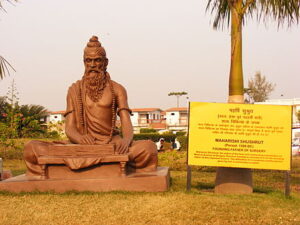
Sushruta (estimated to have lived around 600 BCE) is regarded as the father of Indian Medicine and Surgery.
His seminal book, the Sushruta Samhita or Sushruta's Compedium is a Sanskrit text that covers diseases, medicines and surgical procedures. In a description spanning 184 chapters, Susruta lists the symptoms and causes of over a thousand diseases, over 700 medicinal plants, over a hundred preparations from minerals and animal sources. Significantly, the Susruta Samhita describes numerous surgical procedures including skin grafts, hernia, treatment of fractures, cataract removal and reconstruction of the nose. The Susruta Samhita was originally in Sanskrit and later translated to many languages including Arabic, Latin, German and English.
Susruta is also credited with establishing a medical training process that required six years of training before entering fields of surgery. Before the start of training, the students had to take an oath of dedication to healing.
Sushruta was born in and continued a Hindu tradition of healing that is mentioned in the Rig Veda through the Aswini Kumars, who were chief physicians of the Vedic period. These traditions were expanded by Charak, and later, by Susruta.
Inspired by this article?
Take your knowledge further with interactive Gurukul lessons and quizzes.
Related Knowledge Articles
Rigveda: The Cosmic Hymns, Astronomical Insights, and Dawn of Human Consciousness
The Rigveda stands as humanity’s oldest surviving literary treasure. Composed in archaic Vedic Sanskrit over 5,000 years ago by inspired Rishis (seers), its 10 Mandalas (books) contain 1,028 Suktas (hymns) and 10,552 Mantras.
Culture & HeritageSamaveda: The Birth of Indian Classical Music, Raga Swaras, and Chanted Mysticism
If the Rigveda is the lyric of knowledge, the Samaveda is its divine song. Composed of 1,875 verses set to intricate musical notes (*Swaras*), the Samaveda is the undisputed origin of Indian Classical Music, vocal ornamentation, and acoustic science.