Yajurveda: Sacred Geometry, Sulba Sutras, and Altar Engineering
Yajurveda: Sacred Geometry, Sulba Sutras, and Altar Engineering
The Yajurveda (from Yajus, meaning "sacred formula") is the Veda of practical action, civic ceremonies, and applied mathematics. It bridges internal spiritual realization with external scientific precision.
1. Two Recensions: Shukla (White) & Krishna (Black) Yajurveda
The Yajurveda is handed down in two major branches:
- Shukla (White) Yajurveda: Revealed to Rishi Yajnavalkya by the Sun Deity (Surya). It neatly separates the mantra text from the commentary. Includes the famous Vajasaneyi Samhita.
- Krishna (Black) Yajurveda: Contains the mantras interwoven with procedural prose explanations. Includes Taittiriya Samhita.
2. Sulba Sutras: Ancient Indian Geometry Before Pythagoras
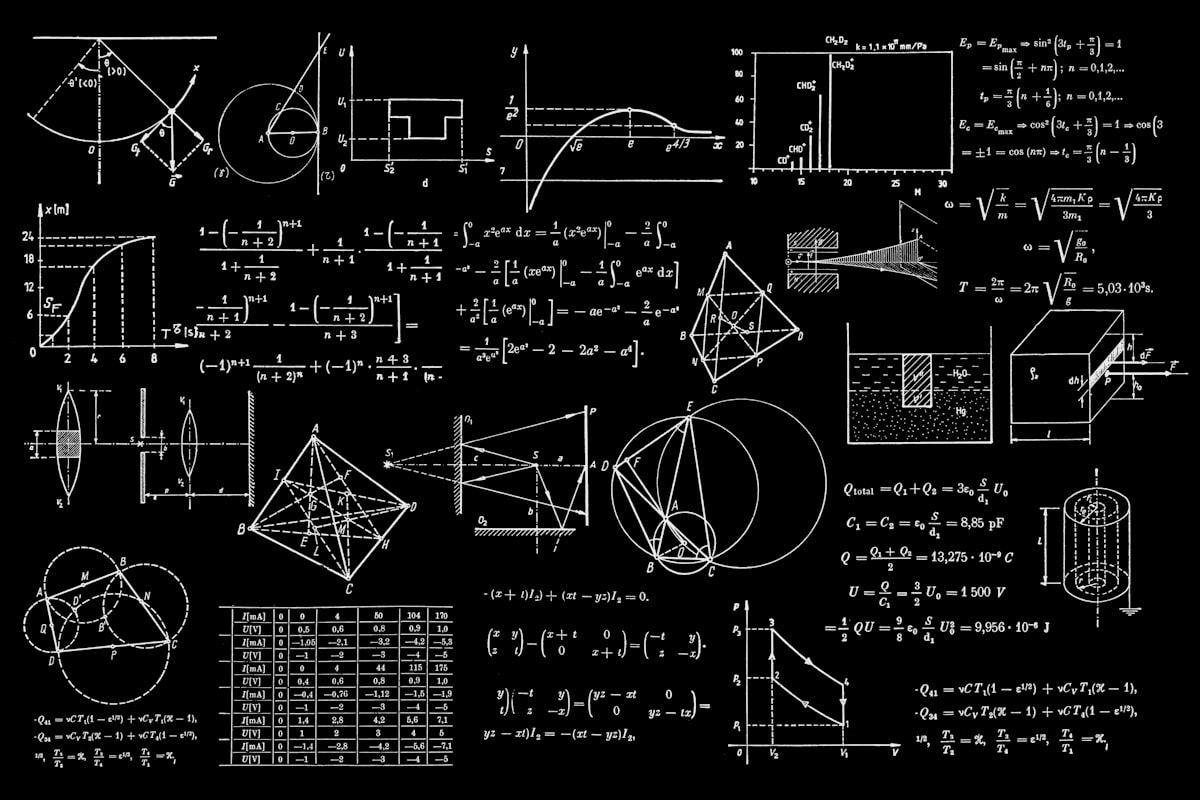
The Yajurveda appendices contain the Sulba Sutras (composed by Baudhayana, Apastamba, Katyayana), detailing exact geometric rules for constructing complex ritual altars (*Chitis*):
Baudhayana Sulba Sutra (c. 800 BCE):
"The diagonal rope of an oblong produces both areas which the flank and the vertical sides produce separately."
This explicitly states the geometric relationship known today as the Pythagorean Theorem centuries before Pythagoras was born! The seers constructed falcon-shaped (*Shyena-chiti*) and tortoise-shaped altars requiring precise calculation of square roots and circle-squaring algorithms.
3. Shri Rudram & Chamakam: Cosmic Mathematical Homage
Chapter 16 and 18 of Krishna Yajurveda comprise the legendary Shri Rudram and Chamakam. The Chamakam is famous for listing mathematical sequences (odd numbers 1, 3, 5, 7... and multiples of 4: 4, 8, 12, 16...) as prayers for agricultural and material prosperity.
Inspired by this article?
Take your knowledge further with interactive Gurukul lessons and quizzes.
Related Knowledge Articles
Rigveda: The Cosmic Hymns, Astronomical Insights, and Dawn of Human Consciousness
The Rigveda stands as humanity’s oldest surviving literary treasure. Composed in archaic Vedic Sanskrit over 5,000 years ago by inspired Rishis (seers), its 10 Mandalas (books) contain 1,028 Suktas (hymns) and 10,552 Mantras.
Culture & HeritageSamaveda: The Birth of Indian Classical Music, Raga Swaras, and Chanted Mysticism
If the Rigveda is the lyric of knowledge, the Samaveda is its divine song. Composed of 1,875 verses set to intricate musical notes (*Swaras*), the Samaveda is the undisputed origin of Indian Classical Music, vocal ornamentation, and acoustic science.